


Design to automation. Seamlessly.
Everything you need to link building design and construction automation
A persistent gap exists between the outputs of conventional construction design workflows and the project data required for hardware automation.
-
Current BIM-based workflows are not seamlessly integrated with robotic systems, CNC machinery, or DfMA platforms, creating friction between design and execution.
-
The AEC industry has historically optimized deliverables for human-readable documentation (PDFs, drawings, schedules), not for direct machine consumption.
-
Design models often lack the level of detail required for automated fabrication and construction, and suffer from inconsistent standards across teams and disciplines.
-
Large projects involve multiple contributors and frequent revisions, making it difficult to identify, validate, and distribute a single reliable source of truth.
-
Projects are typically delivered in formats unsuitable for direct use by construction robots, robotic arms, CNC machines, or construction 3D printers.
-
Translating design intent into machine-ready data requires specialized automation and robotics knowledge—expertise that typically falls outside the scope of traditional design services.
Let’s build the link—Together
EXPLORE OUR SERVICES
-
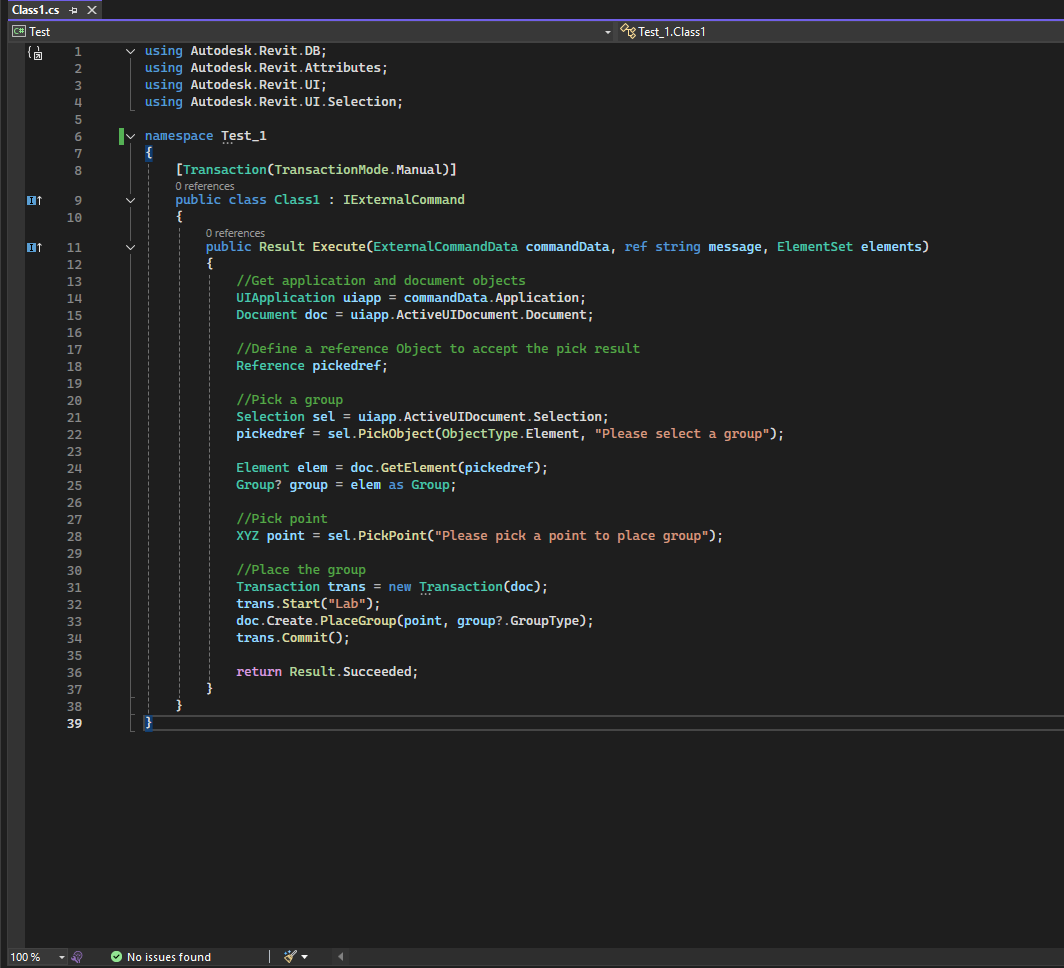
Development of custom plugins and digital tools that automate and accelerate design and BIM workflows. We leverage the Revit API, Rhino/Grasshopper, and related platforms to streamline processes and prepare design data for downstream simulation, analysis, and fabrication.
-
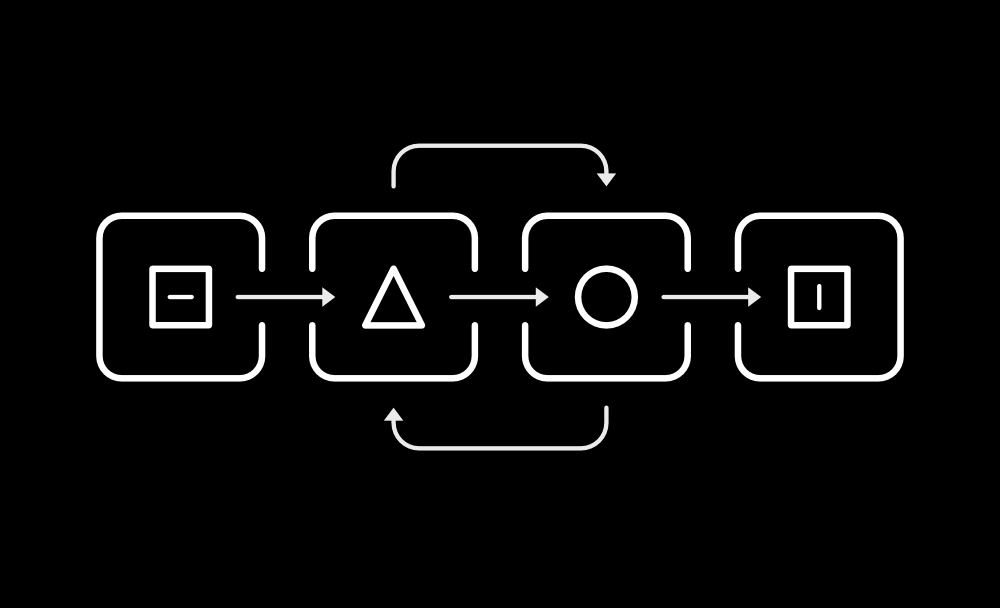
End-to-end development of innovative construction products with a focus on automation, precision, and efficiency. We support concept development, digital prototyping, technical validation, and integration into modern construction workflows.
-
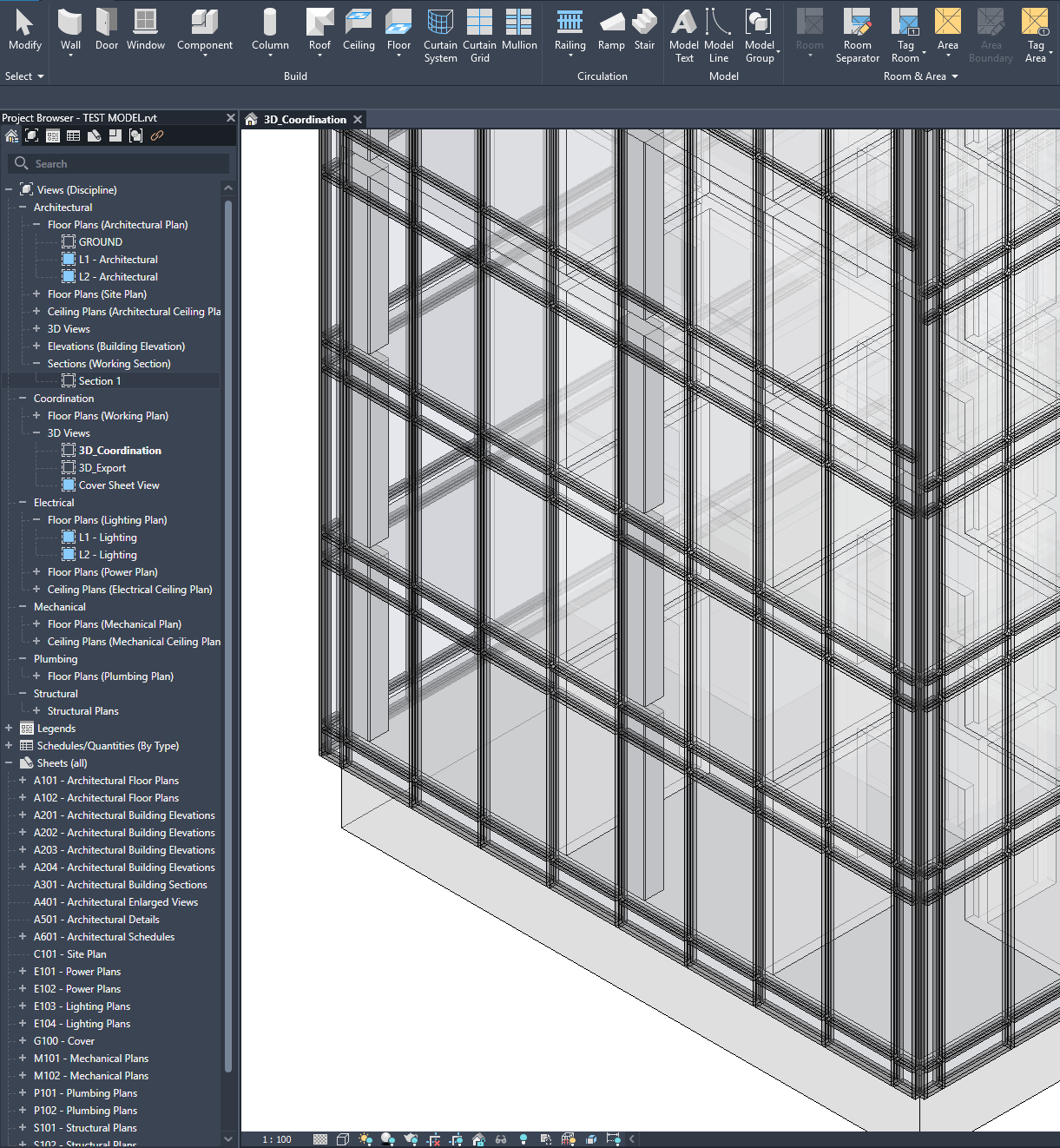
Implementation of structured construction design workflows aligned with ISO 19650 information management principles. We identify optimal tools, define automation strategies, and integrate them seamlessly into existing processes to improve consistency and performance.
-
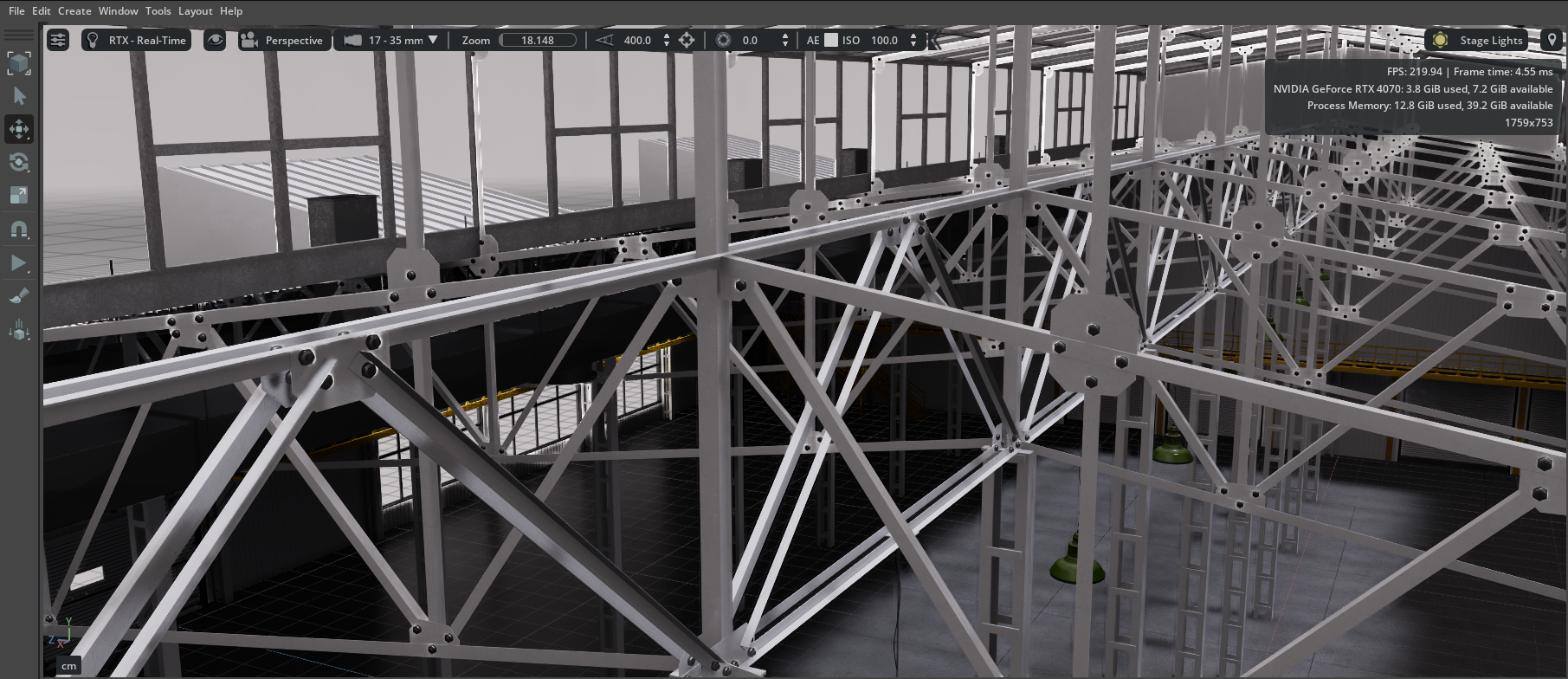
Transformation of BIM models into enriched, semantically structured assets optimized for robotics, construction sequencing, and digital twin simulations in Omniverse and real-time engines.